
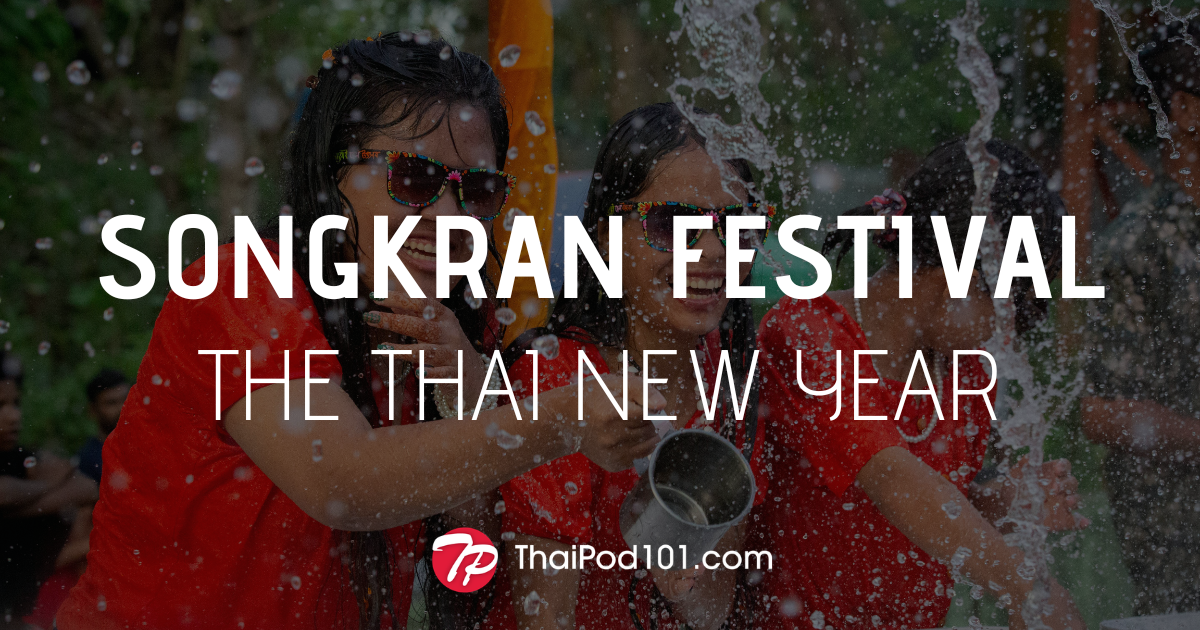
Songkran is Thailand’s traditional New Year celebration. A major Thai festival, it combines family reunions, Buddhist merit-making, and seasonal renewal.
Many visitors first view it as a water festival in Thailand, but its deeper purpose is symbolic. Water represents cleansing, reverence, and good fortune, especially when used gently in temple rites and in offerings to elders.
If you’re traveling in Thailand in April, Songkran can be unforgettable, but it also requires planning. April is widely considered the hottest month of the year in much of Thailand, so heat management matters as much as scheduling.
For Songkran 2026, the core nationwide dates are April 13–15. Still, official and city-level programming can start earlier. For example, major Bangkok events begin April 9 and in some places continue well past April 15.
Table of Contents- What is Songkran, and why is it Thailand’s New Year
- Origins and cultural meaning: renewal, merit-making, elders, and temple rites
- When Songkran happens: core dates, day meanings, and Songkran 2026 specifics
- Regional variations: Bangkok, Chiang Mai, Sukhothai, Chon Buri/Pattaya, and Isan
- Modern water play versus traditional observance
- April realities: heat, transport risk, and practical planning for Songkran 2026
- Conclusion
1. What is Songkran, and why is it Thailand’s New Year
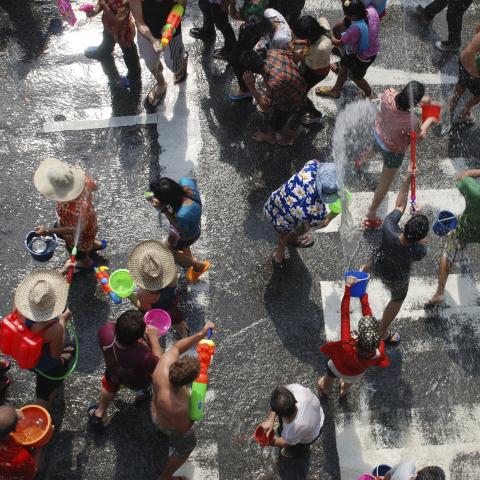
For beginners and first-time visitors, it’s natural to wonder what Songkran is. In everyday terms, it is Thailand’s traditional New Year season. Songkran is a time when people reconnect with family, visit temples, and take part in communal celebrations. These celebrations can range from quiet rituals to large public events.
This is why you’ll see it called the Thailand New Year festival, despite Thailand recognizing January 1 as New Year’s Day. In practice, that means there are multiple “new year’s in Thailand,” which can be confusing. There is the international New Year’s in January, and the traditional period in mid-April.
2. Origins and cultural meaning: renewal, merit-making, elders, and temple rites
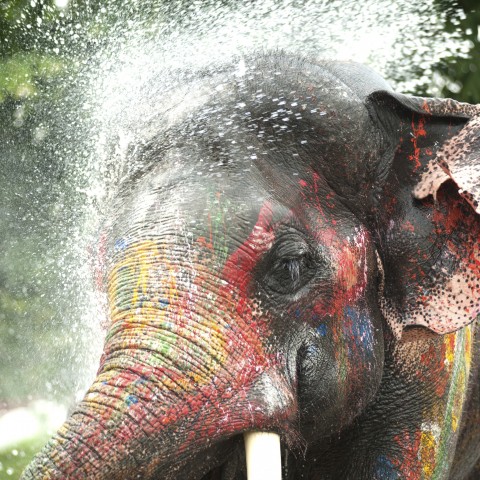
Songkran is not “random water chaos”—it has a clear cultural logic. The festival is widely understood as marking the sun’s annual passage into the constellation Aries. This is a turning point that signals the start of a new year in a traditional solar calendar.
Because the holiday is rooted in renewal, the most traditional practices center on respect and spiritual reset. People reunite with family members, pay respect to older adults, and honor ancestors. They also participate in Buddhist activities such as temple visits.
Water is central, but its meaning changes with context. In temples and family settings, pouring or sprinkling water is a blessing act—symbolizing cleansing and good fortune. You’ll often hear about people bathing important Buddhist images, or about water-pouring rites as gestures of gratitude and respect.
In Thai calendars and signage, you may see the holiday written as วันสงกรานต์. Recognizing the script can help you spot schedules and local notices even if you don’t read much Thai yet.
3. When Songkran happens: core dates, day meanings, and Songkran 2026 specifics
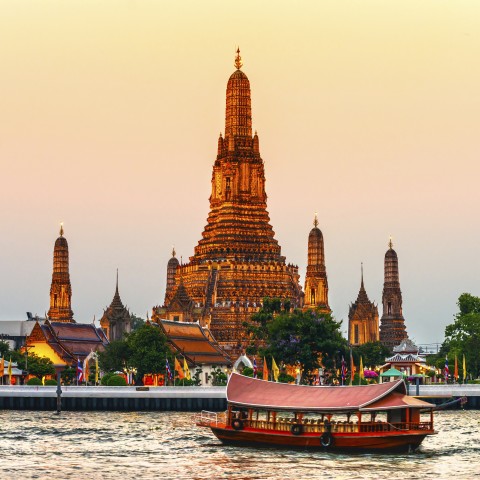
Visitors often wonder when the Songkran festival season occurs—or more directly, when is the Songkran festival in Thailand?
For Songkran 2026, the dates remain April 13–15 (Monday to Wednesday). If you’re planning Thailand Songkran travel in 2026, treat those three days as the “must-plan-around” core period.
A useful way to navigate the festival is to understand the traditional three-day framing:
| Date (2026) | Common name | Typical focus for visitors |
| April 13 | Maha Songkran Day | New-year transition symbolism; many ceremonies and public festivities begin |
| April 14 | Nao Day | Preparations and merit-making activities; commonly linked with temple visits and building sand pagodas |
| April 15 | Thaloeng Sok Day | New-year day framing in many explanations; continued merit-making, blessings, and family-centered rituals |
In conversation, people may also use “Songkran Day festival ” to mean “the big day” (often April 13). On that day activity ramps up—especially in major tourism zones, where street celebrations begin early and run late.
Finally, note that “official dates” are not the same as “event windows.” For the Songkran Festival 2026, tourism listings show many Bangkok events starting April 9 and running through mid-April. Some programs also extend into late April (such as riverside or mall-based events).
4. Regional variations: Bangkok, Chiang Mai, Sukhothai, Chon Buri/Pattaya, and Isan
Songkran is nationwide, but your experience depends heavily on where you spend it.
Bangkok offers the widest range of options in a single trip: heritage-forward programming (parades, cultural performances, merit-making zones) and intense water-play cluster areas. Official listings for 2026 show multiple Bangkok events beginning April 9, including large venues and multi-day celebration spaces. If you see references to a Bangkok water festival, Bangkok also has a formally named “Bangkok Water Festival 2026” listed during the core dates (April 13–15), alongside other major happenings.
Chiang Mai is famous for high-energy outdoor celebrations and strong local traditions. Extended ceremonial programming and water-focused festivities are commonly listed there. In practice, the moat and old-city areas can be especially saturated. It’s great for travelers who want intensity, less ideal for those who need quiet.
Sukhothai is often framed as a heritage-rich alternative. Many visitors choose it to pair Songkran with historical settings and more daytime cultural programming. In 2026 event listings, Sukhothai appears among Northern destinations with extended ceremonies rooted in local tradition.
Chon Buri and Pattaya are important for timing. Eastern Thailand famously extends celebrations beyond April 15 with “Wan Lai” traditions—so if you can’t travel on the core days, this region is a practical option for catching later festivities.
Isan (Thailand’s Northeast) adds a distinctive local flavor. Official tourism descriptions highlight Northeastern cities such as Khon Kaen and Udon Thani as places where cultural ritual and urban-scale celebration meet—often featuring temple-centered blessing practices alongside city activity.
5. Modern water play versus traditional observance
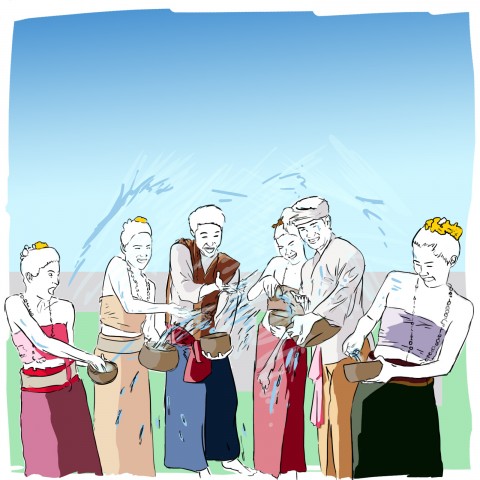
Songkran’s modern public face is why many people call it the Thai festival of water. But the traditional core of merit-making, honoring elders, and temple rites still matters deeply. These traditions influence what is considered respectful behavior, even in party zones.
A helpful mindset is to treat Songkran as “two festivals happening at once.” In religious or family spaces, water is mainly symbolic and gentle. In designated public streets, water becomes a playful social activity and a way to cool down in extreme heat. Problems arise when party behavior “leaks” into spaces where people are trying to practice the holiday reverently.
City authorities have also issued clear behavioral guidance to protect culture and safety. For Bangkok, public guidance has urged people to avoid drink-driving, avoid getting heavily drunk in public, avoid smearing powder on others, and avoid high-pressure water guns. These guidelines align well with visitor etiquette: keep it fun, but don’t create risk or force others to participate.
Because water use on an large scale can create strain, some discussions focus on keeping Songkran’s spirit while encouraging more responsible water use. As a visitor, the simplest approach is to follow local rules in your city, avoid wasteful practices, and remember that “gentle blessing” behavior is part of the tradition.
6. April realities: heat, transport risk, and practical planning for Songkran 2026
Songkran happens during peak heat season, which is why planning for Thailand in April should start with the weather. April is the most sweltering month of the year in much of the country. Conditions that are “hot to very hot,” especially in Upper Thailand, are common. This is not just a comfort issue—it affects dehydration and fatigue, which can cascade into travel mistakes.
Transport safety deserves equal attention. Even if you don’t drive, you’ll share roads with heavy traffic flow and higher-risk conditions. Choose safer transport when possible and avoid riding with drunk drivers.
Airports may also apply special screening considerations to obvious “festival items.” Official travel guidance recommends packing toy water guns in checked baggage rather than carry-on. They also highlight the normal liquid limits for scented water/perfume-type liquids. This matters if you’re trying to move quickly through airports during busy holiday travel days.
For event planning, the best tactic is to decide your “Songkran style” first (cultural mornings, party evenings, or all-in water zones). In 2026 listings, Bangkok has multiple marquee events running April 9–15 and beyond, so hotels near major venues can run out of room quickly.
A minimal packing checklist (small but high-impact):
- Waterproof phone pouch + a second layer (zip bag or dry pouch) for cash/cards
- Quick-dry clothing and secure footwear with grip
- Sunscreen, hat, and a hydration plan for extreme heat
- A small microfiber towel for transit and indoor stops
- Copies of key documents are stored securely and separately from originals
7. Conclusion
Songkran is best experienced as a New Year season with layered meanings: renewal, family respect, temple traditions, and community celebration—alongside modern water play that thrives in Thailand’s hottest month. For Songkran 2026, plan around the April 13–15 core dates, expect extended event windows in major cities, and choose destinations that match your comfort level with crowds and water intensity.
With a few practical steps—heat planning, waterproofing, respectful participation, and extra caution on the roads—you can enjoy one of Thailand’s most memorable cultural moments in a way that is both fun and considerate.