

If you are a language learner who thrives on immersion, entertainment, and authentic media consumption, you probably already know that traditional textbooks can only take you so far. Memorizing vocabulary lists can feel like a chore, and sitting through dry grammar lessons rarely captures the vibrant, living spirit of the language you want to speak.
Starting your day with a simple “สวัสดี (sawatdi)” is a great first step, but true fluency requires feeling the rhythm and melody of the language. This is where the magic of music comes in. If you want a fun, engaging, and highly effective way to absorb Thai, it’s time to tune into Thai nursery rhymes.
The Power of Music in Language Acquisition
You don’t need to be a child to benefit from children’s songs. Nursery rhymes are practically engineered for language learning. They feature repetitive structures, predictable melodies, and the core vocabulary native speakers learn from the cradle. By singing along, you naturally internalize the tones, rhythm, and phrasing of Thai without ever opening a grammar book.
Engaging with authentic cultural media offers an enjoyable form of passive learning. You can listen to these songs while commuting, cooking, or relaxing. To truly embrace the culture and connect with the locals on a deeper level, learning the songs that shaped every local’s childhood is a fantastic way to sound more natural.
5 Classic Thai Nursery Rhymes for Beginners
Let’s dive into five iconic Thai nursery rhymes. They are simple, incredibly catchy, and perfect for training your ear to the unique sounds of the Thai language.
1. The Elephant Song (Chang)

The elephant is the national animal of Thailand, making this song an absolute classic. It is lively, upbeat, and perfect for practicing your pronunciation of the “ch” and “ng” sounds. Once you start humming it, you won’t be able to stop singing chang chang chang wherever you go.
The Original:
ช้าง ช้าง ช้าง (Chang chang chang)
น้องเคยเห็นช้างหรือเปล่า (Nong khoei hen chang rue plao)
ช้างมันตัวโตไม่เบา (Chang man tua to mai bao)
จมูกยาวๆ เรียกว่างวง (Chamuk yao yao riak wa nguang)
มีเขี้ยวใต้งวง เรียกว่างา (Mi khiao tai nguang riak wa nga)
มีหู มีตา หางยาว (Mi hu mi ta hang yao)
The English Translation:
Elephant, elephant, elephant
Have you ever seen an elephant?
It’s quite a big animal
It has a long nose called a trunk
It has tusks under its trunk
It has ears, eyes, and a long tail
2. The Greeting Song (Sawatdi)

This is the ultimate introductory song. It reinforces the most important social greeting in the country and teaches the fundamental pronouns for “you” and “I.” It is a beautiful way to get comfortable with the welcoming nature of Thai culture.
The Original:
สวัสดี สวัสดี วันนี้เรามาพบกัน (Sawatdi sawatdi wan ni rao ma phop kan)
เธอและฉัน พบกัน สวัสดี (Thoe lae chan phop kan sawatdi)
The English Translation:
Hello, hello, today we meet
You and I, we meet, hello
3. The Striped Spider (Maeng Mum Lai)
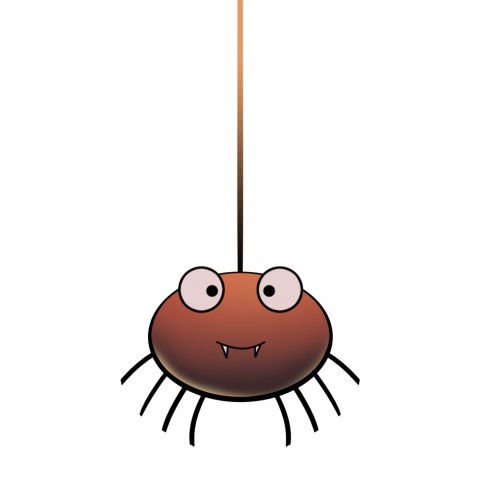
This song is excellent for learning nature-related vocabulary and practicing longer narrative sentences in a highly melodic way.
The Original:
แมงมุมลายตัวนั้น (Maeng mum lai tua nan)
ฉันเห็นมันซมซานเหลือทน (Chan hen man som san luea thon)
วันหนึ่งมันถูกฝน (Wan nueng man thuk fon)
ไหลหล่นจากบนหลังคา (Lai lon chak bon lang kha)
พระอาทิตย์ส่องแสง (Phra athit song saeng)
น้ำแห้งเหือดไปลับตา (Nam haeng hueat pai lap ta)
มันรีบไต่ขึ้นฝา (Man rip tai khuen fa)
หันหลังมาทำตาลุกวาว (Han lang ma tham ta luk wao)
The English Translation:
That striped spider
I saw it suffering so much
One day it was hit by the rain
Falling down from the roof
The sun shines brightly
The water dries up out of sight
It hurries up the wall
Turns around and its eyes sparkle
4. Grilled Chicken (Kai Yang)
This song is less of a traditional lullaby and more of a fun, upbeat playground chant. It is incredibly popular, often accompanied by a dance, and is a fantastic way to learn vocabulary related to food and directions.
The Original:
ไก่ย่างถูกเผา (Kai yang thuk phao)
ไก่ย่างถูกเผา (Kai yang thuk phao)
มันจะถูกไม้เสียบ (Man cha thuk mai siap)
มันจะถูกไม้เสียบ (Man cha thuk mai siap)
เสียบซ้าย (Siap sai)
เสียบขวา (Siap khwa)
ร้อนจริงๆ ร้อนจริงๆ ร้อนจริงๆ (Ron ching ching, ron ching ching, ron ching ching)
The English Translation:
The grilled chicken is being roasted
The grilled chicken is being roasted
It will be skewered
It will be skewered
Skewered on the left
Skewered on the right
Really hot, really hot, really hot
5. The Wild Dove (Nok Khao Tuen)

A gentle, traditional rhyme often used to wake children up in the morning. It’s short, sweet, and introduces excellent everyday action verbs like “waking up.”
The Original:
นกเขาเถื่อน (Nok khao thuean)
ขันแต่เช้า (Khan tae chao)
ปลุกพวกเรา (Pluk phuak rao)
ให้ตื่นขึ้นมา (Hai tuen khuen ma)
The English Translation:
The wild dove
Coos in the morning
Wakes us all up
To get out of bed
Take Your Thai to the Next Level
Learning a language should be an adventure filled with music, culture, and fun. By integrating these catchy nursery rhymes into your daily routine, you are passively absorbing Thai pronunciation and vocabulary in the most natural way possible.
Ready to turn your fun immersion into confident, fluent conversation? Dive deeper into authentic lessons, engaging audio tracks, and native-speaker insights by visiting ThaiPod101.com and take the next step in your language learning journey today!